
Meet the presidents of EURA
Since its foundation in 1997, EURA has grown from a small but ambitious networking initiative into a mature international association. An important milestone in this development was the adoption of the EURA Charter in 2005, which established a formal governance framework for the association, including arrangements for electing the Governing Board and defining the roles and responsibilities of the President, the Governing Board and the EURA General Assembly.
Since 1997, eight individuals from six European countries have served as President of EURA. The association’s founding President was Robin Hambleton from the United Kingdom. The current President is Ignazio Vinci from Italy, who was elected in 2025.
The following overview presents EURA’s presidential history, from its foundation to the present day.
Presidents of EURA
- Ignazio Vinci — 2025–present
- Filipe Teles — 2021–2025
- Valeria Fedeli — 2017–2021
- Karsten Zimmermann — 2013–2017
- Hubert Heinelt — 2010–2013
- Paweł Swianiewicz — 2005–2010
- Jacob Norvig Larsen — 2002–2004
- Robin Hambleton — 1997–2002
Reflections from former presidents
Where available, the personal reflections collected below offer insights into significant moments in EURA’s history and consider how the association, its activities and its international network have evolved over time.
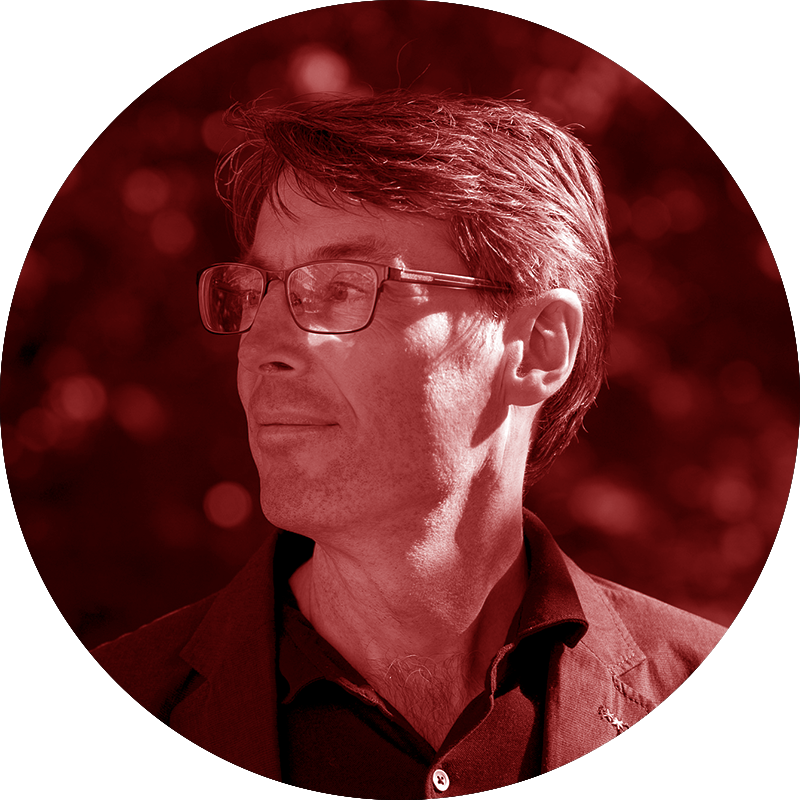
I remember well the moment when I was elected in Enschede, the Netherlands, where the annual EURA Conference was held in 2013. I acknowledge that so many established scholars trusted a younger colleague, even though not all of them knew me well. Working with the colleagues on the Governing Board was a great pleasure.
Together with a small team in my department (Robin Chang and Eva Gehrmann in particular), we re-launched the website and invested much time in membership administration. During my term, we strengthened relationships with the Association of European Schools of Planning (AESOP) – thanks to Izabela Mironowicz – and the Urban Affairs Association (UAA) – thanks to Margaret Wilder.
We launched working groups on cities at the margins of Europe (chaired by Ignazio Vinci and Paula Russell) and on local state–society relations (chaired by Hubert Heinelt). I also remember quite well that the journal (Urban Research & Practice) made good progress during that period – later, I became its editor. The 20th anniversary of EURA, which we celebrated in Warsaw in 2017, was a great moment for our association.
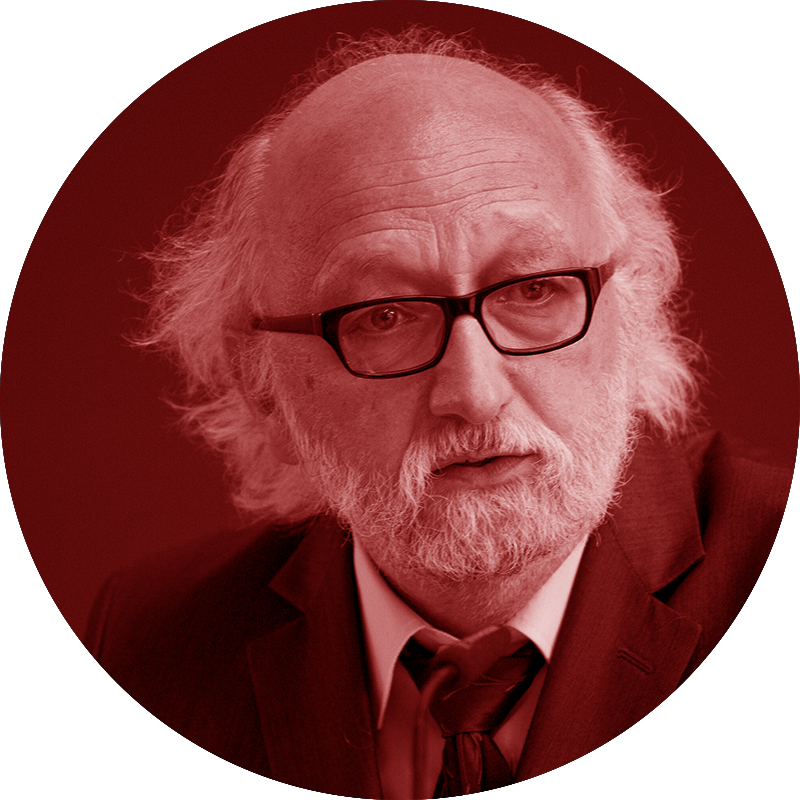
Being EURA President was a pleasure for me because this organisation is something special. EURA brings together people from the academic world and from practice. This is summed up by the name of our journal: Urban Research & Practice.
Moreover, EURA is a network of activists rather than a formal organization whose members expect their organization to do something for them. Instead, EURA members organize activities among themselves independently of the organization – and they do so with great success. Such activities include – as Paweł Swianiewicz also recalls – two projects funded by the EU through its Framework Programmes and surveys of local political actors. In addition, EURA members have been successful in applying for joint research projects co-funded by two or more national governments or national funding agencies.
Yet, despite these remarkable successes in linking EURA members in collaborative research activities, EURA was not formally a legal entity until 2012: the collection of membership fees, the postal distribution of a printed newsletter for members and the publication of Urban Research & Practice were carried out by the University of the West of England (UWE). This changed – or had to change – when UWE was no longer willing to take on these tasks for EURA and, in addition, the contract with Taylor & Francis for the publication of Urban Research & Practice had to be renewed. After some discussions at two General Assemblies, the members agreed on a revised charter and EURA was registered in 2012 as an association under German law. On this basis, it was now possible for EURA to sign a contract with Taylor & Francis itself for the publication of Urban Research & Practice.
At the same time, the administration of EURA moved from UWE to the Technical University of Darmstadt. These tasks were taken over in succession by Marta Lackowska, Sönja Löber and Sylvia Pannowitsch, who were employed in my research unit at the Institute of Political Science. Marta, Sönja and Sylvia were also the ones who replaced the printed newsletter sent by regular post with a newsletter sent as a PDF by email to the members. Sönja also ensured that EURA presented itself with a state-of-the-art website.
Finally, under my presidency, an agreement was concluded with the Standing Group on Local Government and Politics of the European Consortium for Political Research (ECPR) to hold a joint annual Summer School for PhD students. This activity has since become a central pillar of EURA as an independent organisation.
During his term as EURA President: University of Warsaw, Poland
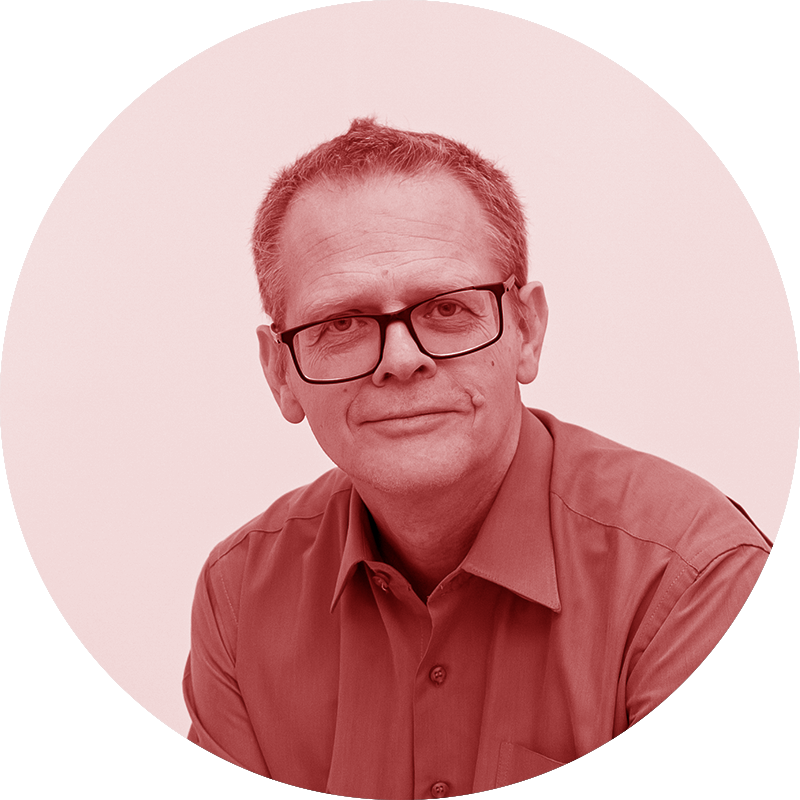
My memories of running the association during the 2005–2010 period are extremely good. It was hard work and kept me busy – in particular, writing editorials for the EURA Bulletin was sometimes hard – but nothing is too hard if you work with and for your good friends. Apart from being EURA President, I had the opportunity to host the EURA conference in Warsaw in 2006 (the next Warsaw event in 2017 was managed by my younger colleagues). EURA has never been a very big organization, but we have been working together effectively through various networks.
During my term, there were several moments and events which seem to me worth recalling today. The international team originating from EURA successfully applied for and implemented a project funded under the EU’s Sixth Framework Programme. We also organized a pan-European survey of urban councillors which led to several valuable publications. In 2008, we started publication of our journal – Urban Research & Practice – which has since built a reputation as one of the most important journals in urban studies.
We initiated the EURA Young Scholar Award for the best EURA conference paper prepared by PhD or graduate students. I also remember the celebration of the 10th anniversary of our organization. Last but not least, the number of members (both institutional and individual) increased from 76 to 92 in 2008.
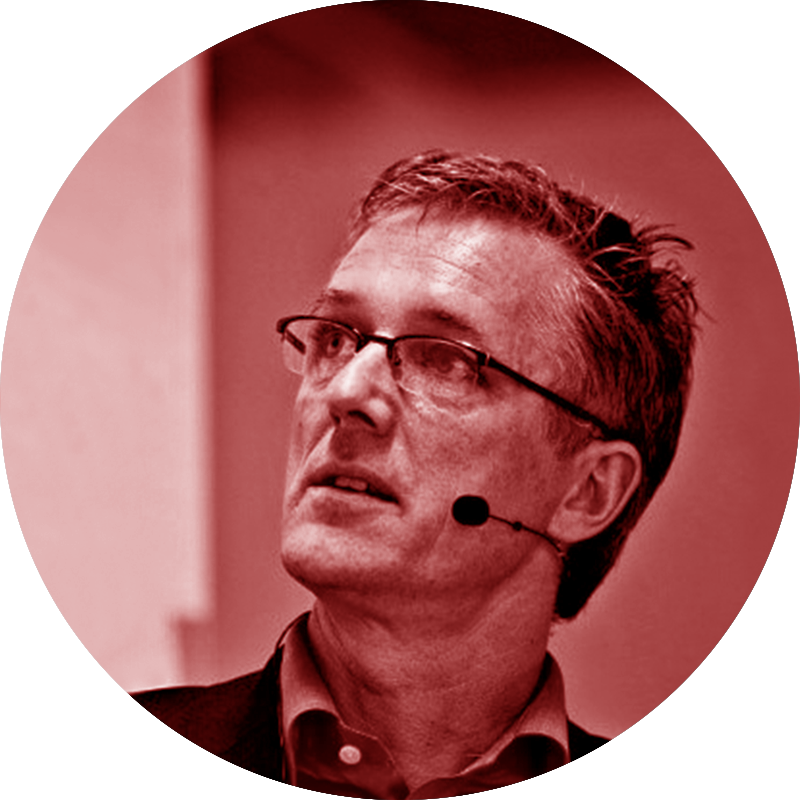
While EURA was still in its relatively early years, I had the honour of presiding over the association from 2002–2004. In Copenhagen, we at the Danish Building Research Institute were privileged to host the annual EURA conference in 2001, at that time the biggest EURA event ever and the first that benefitted from the participation of a number of urban scholars from across the Atlantic. Since then, the links to the Urban Affairs Association (UAA) in the US have grown stronger, resulting in a range of co-organized conferences and other forms of cooperation.
From the beginning, one of the main aims of EURA was, and still is, to develop networks and bring together urban scholars from all over Europe. One major step in this endeavor was the 2003 EURA conference held in the beautiful city of Budapest. For the first time, a EURA conference brought together urban scholars from the East and West as well as the South and North of Europe.
As President, I benefitted from taking over a growing EURA, where new members, individual as well as institutional, kept coming in and EURA events kept growing in size and quality. This was not least thanks to a firm, reliable organizational base in the form of the professional and qualified EURA Secretariat, competently run by Julie Triggle at the University of the West of England.
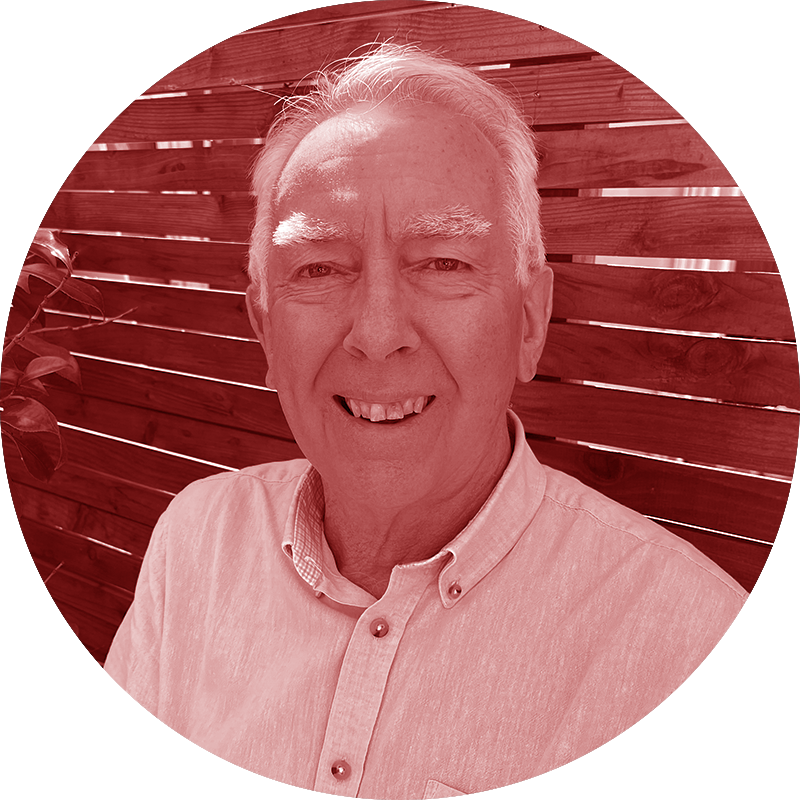
It was a true honour for me to serve as the founding President of the European Urban Research Association (EURA). Our association was launched in 1997 at an international conference held in Brussels. Fifty academics from twelve countries gathered and expressed their support for the creation of this new international network, but would it fly?
In practice, because of the tireless efforts and active support of a relatively small group of urban scholars, it turned out that it would, indeed, fly. During my period as President, it was rewarding to see the association rise from nothing at all into a formally constituted international organisation with a EURA Governing Board and a EURA General Assembly. The association launched a series of vibrant international workshops and conferences – in Venice (1998), Oslo (1999), Paris (1999), Dublin (2000), Copenhagen (2001), Prague (2001) and Turin (2002) – and these events led to a rapid rise in the number of institutional and individual members of EURA. A regular EURA Newsletter spread the news about our activities, and the Governing Board developed the idea of co-creating a new international journal devoted to advancing the aims of EURA – an idea that was to bear fruit at a later stage.
In the early years the EURA Governing Board co-created a very friendly and respectful way of working together and our conferences have always been both enjoyable and intellectually stimulating. In addition, they have always focussed on the development of constructive suggestions on how to improve the quality of life in modern cities, not just in Europe but in cities across the world, and this commitment to engaged scholarship remains a key strength of our association.